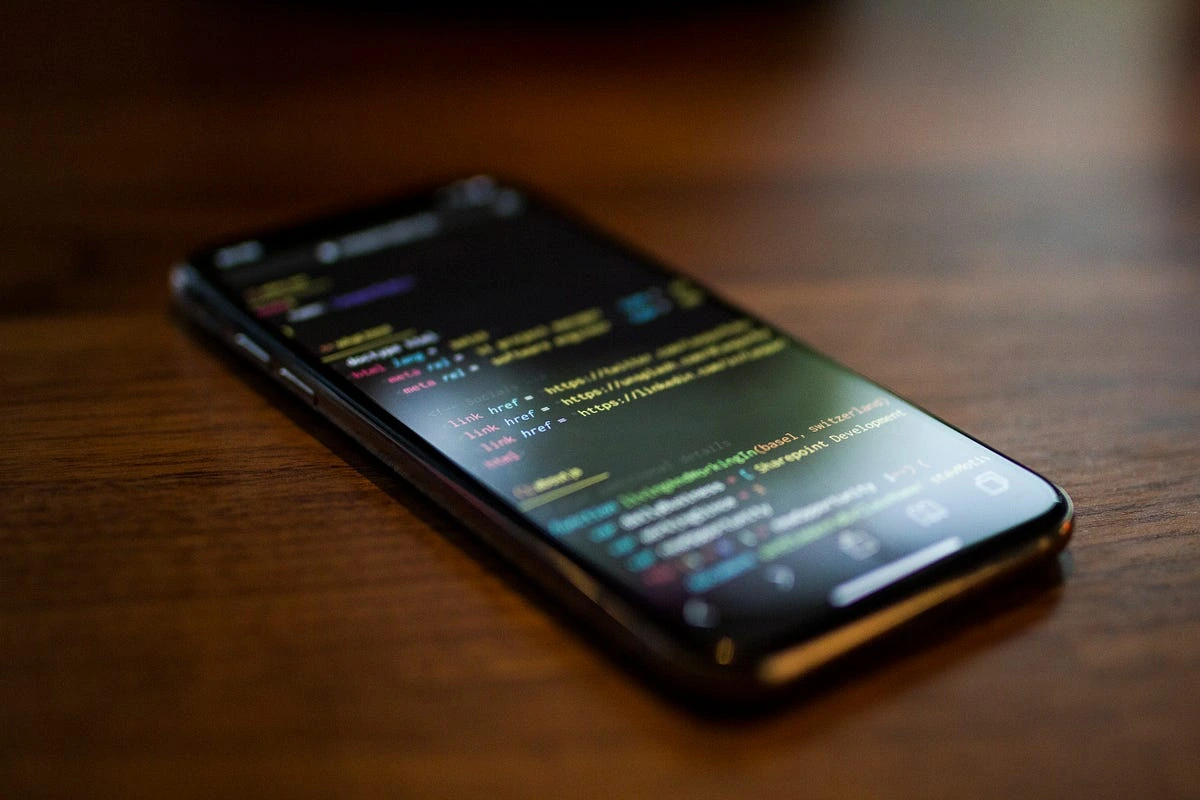
Many people believe they need an expensive computer to learn programming. While a laptop can be helpful, modern smartphones have become powerful enough to support coding education and skill development. Today, thousands of aspiring developers are learning programming concepts, building projects, and even completing coding courses using only their mobile devices.
This shift has made coding more accessible than ever before. Whether you are a student, job seeker, learnership applicant, or someone interested in technology, understanding How to Learn Coding Using Your Phone can help you start building valuable digital skills without a large financial investment.
With the rise of mobile learning platforms, coding apps, and online resources, anyone with a smartphone and internet connection can begin learning programming from virtually anywhere.
This guide explains How to Learn Coding Using Your Phone, the best tools to use, and practical steps for becoming a successful beginner coder.
Why Learn Coding?
Coding is one of the most valuable digital skills in today’s job market.
Programming skills can lead to careers in:
- Software Development
- Web Development
- Mobile App Development
- Cybersecurity
- Data Science
- Artificial Intelligence
- Cloud Computing
Learning to code can also improve:
- Problem-solving skills
- Logical thinking
- Creativity
- Career opportunities
As technology continues growing, coding remains a highly sought-after skill.
Also see:Companies Offering Software Developer Internships in 2026
Can You Really Learn Coding Using a Phone?
Yes.
Modern smartphones allow users to:
- Watch coding tutorials
- Complete programming lessons
- Practice coding exercises
- Read documentation
- Build simple projects
- Join coding communities
While advanced development may eventually require a computer, beginners can learn a surprising amount using only a smartphone.
This is one reason How to Learn Coding Using Your Phone has become a popular topic among aspiring developers.
Benefits of Learning Coding on Your Phone
Accessibility
A smartphone is often more accessible than a laptop.
Many people already own smartphones, making coding education easier to access.
Flexibility
You can learn coding:
- At home
- While commuting
- During study breaks
- On weekends
Mobile learning allows you to use spare moments productively.
Affordable Learning
Many coding resources are free or low-cost.
This reduces barriers for students and job seekers.
Continuous Learning
Because your phone is always nearby, it becomes easier to maintain consistent learning habits.
Best Programming Languages for Beginners
Before exploring How to Learn Coding Using Your Phone, it helps to choose a beginner-friendly programming language.
Python
Python is popular because it is:
- Easy to learn
- Beginner-friendly
- Widely used
Python is used in:
- Data Science
- Artificial Intelligence
- Automation
- Web Development
Alsos see: Entry-Level Cybersecurity Jobs for Beginners
JavaScript
JavaScript powers many websites and web applications.
It is commonly used for:
- Front-end development
- Interactive websites
- Web applications
HTML and CSS
These are essential for web development.
HTML structures webpages while CSS controls design and appearance.
SQL
SQL is used to manage and analyse databases.
It is valuable for data-related careers.
Best Mobile Apps for Learning Coding
Many apps are designed specifically for mobile learners.
SoloLearn
Popular for beginners learning:
- Python
- JavaScript
- HTML
- CSS
- SQL
Lessons are short and interactive.
Mimo
Mimo offers structured learning paths and coding exercises.
It is ideal for beginners.
Programming Hub
Provides courses covering multiple programming languages.
Includes certifications and practical exercises.
Grasshopper
Designed to teach JavaScript through interactive lessons.
Excellent for absolute beginners.
Encode
Focuses on programming fundamentals through bite-sized lessons.
Perfect for mobile learning.
Step 1: Choose a Learning Goal
One of the most important parts of How to Learn Coding Using Your Phone is choosing a clear goal.
Examples include:
Web Development
Learn:
- HTML
- CSS
- JavaScript
Data Analysis
Learn:
- Python
- SQL
Mobile App Development
Explore:
- Java
- Kotlin
- Flutter
A clear goal helps maintain focus.
Step 2: Create a Learning Schedule
Consistency matters more than long study sessions.
Consider:
- 20 minutes daily
- 30 minutes after school
- Weekend practice sessions
Small daily improvements can lead to significant progress.
Step 3: Practice Regularly
Reading alone is not enough.
Successful learners:
- Complete coding exercises
- Solve challenges
- Build small projects
Practice helps reinforce concepts and improve confidence.
Step 4: Join Coding Communities
Learning becomes easier when you connect with others.
Communities can provide:
- Motivation
- Support
- Feedback
- Career advice
Many coding communities operate through mobile-friendly platforms.
Step 5: Build Small Projects
Projects help transform knowledge into practical skills.
Examples include:
Beginner Projects
- Calculator
- To-do list
- Personal webpage
Intermediate Projects
- Portfolio website
- Budget tracker
- Quiz application
Projects strengthen your portfolio and CV.
Common Challenges Beginners Face
Many learners experience:
Information Overload
Too many resources can become overwhelming.
Focus on one learning path at a time.
Lack of Consistency
Learning occasionally produces slow results.
Daily practice is more effective.
Fear of Mistakes
Mistakes are part of the learning process.
Every successful programmer started as a beginner.
How Coding Can Help Your Career
Coding skills can improve employability in many industries.
Benefits include:
- Internship opportunities
- Learnership opportunities
- Freelancing options
- Remote work possibilities
- International career prospects
Coding knowledge can also complement other digital skills.
Coding and Learnership Opportunities
Many technology learnerships value candidates with coding knowledge.
Basic programming skills can demonstrate:
- Initiative
- Commitment
- Problem-solving ability
Even beginner-level coding knowledge can strengthen applications.
Why Mobile Learning Is Growing
Mobile learning continues expanding because smartphones are becoming more powerful and affordable.
Many learners prefer smartphones because they:
- Are convenient
- Support flexible learning
- Provide access to online resources
- Enable learning from anywhere
This trend explains why How to Learn Coding Using Your Phone is becoming increasingly relevant.
The Future of Coding Skills
Technology careers continue growing globally.
High-demand fields include:
- Software Development
- Artificial Intelligence
- Cybersecurity
- Data Science
- Cloud Computing
Coding remains a foundational skill across many of these industries.
Learning today can create opportunities for future career growth.
Why South Africans Should Learn Coding
South Africa’s digital economy continues expanding.
Businesses increasingly require professionals who can:
- Build digital solutions
- Manage software systems
- Analyse data
- Support technological innovation
Learning coding can open doors to local and international opportunities.
For many young people, coding represents a pathway into the growing technology sector.
Understanding How to Learn Coding Using Your Phone can help aspiring developers begin their technology journey without waiting for access to expensive equipment. Modern smartphones provide access to coding courses, practice exercises, learning communities, and educational resources that make programming more accessible than ever.
The key to success is consistency. By choosing a learning goal, practising regularly, completing projects, and continuously improving your skills, you can make meaningful progress using only a smartphone.
Whether your goal is software development, web development, cybersecurity, or data science, learning coding is an investment in your future. As technology continues transforming industries around the world, understanding How to Learn Coding Using Your Phone may be the first step toward building a rewarding and future-focused career.
Frequently Asked Questions (FAQ)
1. Can I really learn coding using my phone?
Yes. Many coding apps and online platforms are designed for mobile learning.
2. Which programming language should beginners learn first?
Python is often recommended because it is beginner-friendly.
3. Do I need a laptop to start coding?
No. Beginners can learn many programming concepts using a smartphone.
4. What is the best coding app?
Popular options include SoloLearn, Mimo, Programming Hub, and Grasshopper.
5. How much time should I study daily?
Even 20–30 minutes per day can produce results over time.
6. Is coding difficult to learn?
Coding requires practice, but beginners can learn gradually with consistency.
7. Can coding help me get a job?
Yes. Coding skills are highly valued in many industries.
8. Are coding courses free?
Many platforms offer free lessons and resources.
9. What projects should beginners build?
Simple calculators, personal websites, and to-do lists are good starting projects.
10. Can coding help with learnership applications?
Yes. Coding demonstrates initiative and technical interest.
11. What is HTML?
HTML is used to structure webpages.